
Leaving the hospital is often a welcome moment for patients and their families. However, the days and weeks following a hospital stay can also be one of the most vulnerable times for recovery.
Many seniors require additional support after returning home. Tasks such as managing medications, preparing meals, or moving safely around the house may become more difficult while recovering from illness, surgery, or injury.
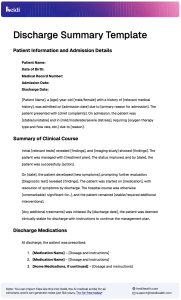
Home care services can provide valuable assistance during this critical period, helping patients recover safely while reducing the risk of hospital readmission.
For families across Long Island, Queens, and the Bronx, professional caregivers can provide the extra support needed to help loved ones regain strength and independence after a hospital stay.
Why the First Weeks After Discharge Are Important
The transition from hospital to home is an important part of the recovery process. During this time, patients must follow discharge instructions, take medications correctly, and gradually regain strength.
Without proper support, patients may struggle with daily tasks or forget important medical instructions.
This can sometimes lead to complications or hospital readmissions.
Home care services provide assistance that helps patients stay on track with their recovery plan.
Caregivers can help monitor progress, assist with daily activities, and ensure that important instructions from healthcare providers are followed.
Common Challenges After Hospital Discharge
Families often discover that recovery at home can present unexpected challenges.
Some of the most common difficulties include:
- managing multiple medications
- limited mobility or weakness
- difficulty preparing meals
- fatigue and reduced energy
- transportation to follow-up appointments
- concerns about falls or accidents
These challenges can make everyday activities more difficult for patients who are still regaining their strength.
Professional caregiving support can help reduce these risks while providing reassurance to families.
How Home Care Supports Recovery
Home care services provide personalized support designed to assist patients during recovery.
Caregivers can help with many important aspects of the healing process.
Medication Reminders
Patients often return home with new prescriptions or updated medication schedules.
Caregivers help ensure medications are taken correctly and at the proper times according to medical instructions.
Mobility Assistance
After surgery or illness, patients may experience weakness or difficulty walking.
Caregivers assist with safe movement around the home and help reduce the risk of falls.
Meal Preparation
Proper nutrition plays an important role in recovery.
Caregivers can assist with grocery shopping and preparing balanced meals that support healing and overall health.
Personal Care Assistance
Some patients may need temporary help with bathing, dressing, or grooming during recovery.
Caregivers provide this support while helping maintain comfort and dignity.
Transportation to Medical Appointments
Follow-up appointments are often an important part of recovery.
Caregivers can assist with transportation and ensure patients arrive safely to medical visits.
Companionship and Emotional Support
Recovery can sometimes feel isolating, particularly for seniors who live alone.
Caregivers provide companionship and reassurance that helps patients remain positive and motivated throughout the recovery process.
Conditions That Often Require Post-Hospital Care
Many medical situations may require additional support after hospital discharge.
Common examples include:
- joint replacement surgery
- heart procedures
- stroke recovery
- pneumonia or respiratory illness
- falls or fractures
- major illness requiring extended recovery
In each of these situations, professional caregiving support can help ensure that recovery continues safely at home.
Supporting Families During Recovery
Family members often want to help loved ones during recovery, but balancing caregiving responsibilities with work and other commitments can be challenging.
Professional caregivers provide valuable assistance that allows families to focus on emotional support and quality time rather than managing every aspect of daily care.
This additional support can reduce stress while ensuring that patients receive consistent care.
Preventing Hospital Readmissions
Hospital readmissions can sometimes occur when patients do not receive adequate support during recovery.
Home care services help reduce this risk by ensuring that patients follow medical instructions, maintain proper nutrition, and receive assistance with daily activities.
By supporting patients during the early stages of recovery, caregivers help promote safer healing and improved outcomes.
Creating a Personalized Recovery Plan
Every patient’s recovery process is unique. Some individuals may require only short-term support, while others benefit from more extended caregiving assistance.
Our agency works with families to develop personalized care aide plans based on each individual’s recovery needs.
These plans may include a combination of services designed to support both safety and independence.
Speak With a Care Coordinator
If a loved one is preparing to return home from the hospital, our care coordinators can help you explore options for post-hospital home care services.
We can discuss your family’s needs and help develop a care plan that supports a safe and comfortable recovery.